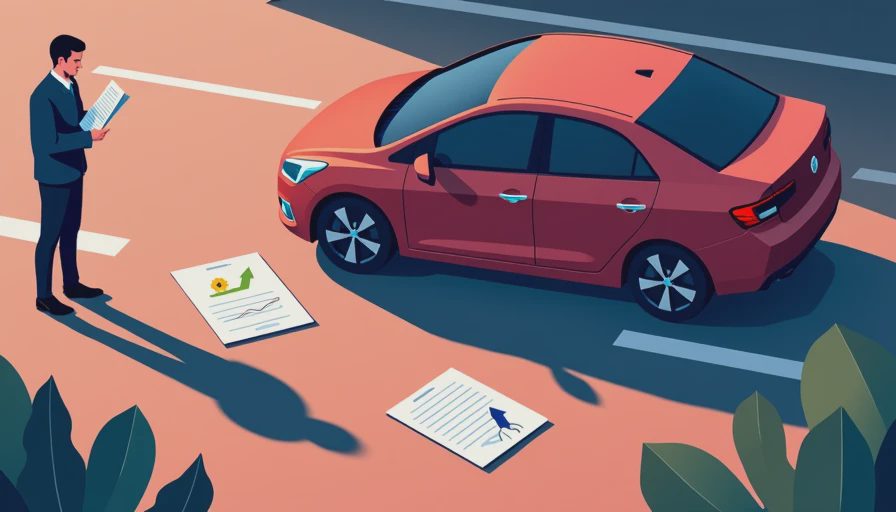
If you're searching for the best way to buy a used car, you've probably heard plenty of competing advice. Buy from a dealer. Buy private party. Get a Carfax. Skip the VIN check. The noise can make a straightforward decision feel overwhelming. I've been there—standing in a lot wondering if the deal in front of me was a steal or a setup. After helping friends and my own family through half a dozen used-car purchases, I've landed on a process that works. It's not flashy, but it's the best way to buy a used car if you care about value, reliability, and avoiding regret a year down the road.
Start With Your Budget, Not Your Wish List
Before you browse listings, know your number. And I don't mean just the sale price. The best way to buy a used car is to calculate your total cost of ownership upfront. Take the purchase price, add sales tax, registration fees, and a year of insurance. Then tack on a realistic maintenance fund—plan for at least $500 for an initial checkup and potential repairs. If that total fits comfortably in your monthly cash flow, you're in the game. If not, adjust your budget downward. A car that stretches your finances on day one will only get tighter when the first repair rolls around.
Research Reliability and Ownership Costs First
Once your budget is set, turn your attention to research. This is where many buyers skip a step and pay for it later. The best way to buy a used car is to spend a week reading owner forums, checking Consumer Reports reliability ratings, and watching long-term ownership videos on YouTube. Focus on models that earn a reputation for lasting 150,000 miles with routine maintenance. Brands like Honda, Toyota, and Mazda often top these lists, but newer entries from Hyundai and Kia also have strong track records if you stick with their certified models. You're not shopping excitement; you're shopping a decade of daily duty.
Get a Pre-Purchase Inspection From an Independent Mechanic
I cannot overstate this step. The best way to buy a used car is to never take the seller's word for condition. Pay a trusted independent mechanic an hour of labor to inspect the car on a lift. They'll check for rust, leaks, worn suspension, and signs of accident damage that a clean Carfax might miss. I once drove two hours to see a "mint" Camry that turned out to have a cracked subframe. The inspection cost me $100 and saved $8,000. That's the kind of win that keeps your driveway drama-free.
Don't Overpay: Use the Right Pricing Tools
By now you know what car you want and have a mechanic's blessing on a specific unit. The next step is pricing. Use Kelley Blue Book, Edmunds, and NADA Guides to find the fair market range for that exact year, trim, and mileage. Private sellers often price based on emotion; dealers may add hidden fees. Your goal is to land at or below the average of those three sources. The best way to buy a used car is to negotiate with data. Show comparable listings. Be polite but firm. If the seller won't budge, walk away. There will be another one.
Consider Certified Pre-Owned for Peace of Mind
Certified pre-owned (CPO) cars cost more upfront, but they come with extended warranties and manufacturer inspections. For families who want to minimize risk, CPO can be the best way to buy a used car. You pay a premium of maybe $1,500 to $2,500, but you gain coverage that pays for itself if a transmission or engine issue appears. If you're financing, CPO also qualifies for lower interest rates on some loans. Compare the CPO price to a similar non-certified unit plus a third-party warranty. Often the CPO wins on simplicity alone.
The Test Drive Is About Daily Life, Not Adrenaline
Most test drives are too short and too easy. Take the car on a route that mimics your real commute—hills, highway merging, stop-and-go traffic. Bring your car seats if you have kids. Park in a tight spot. Load the trunk with your typical gear. The best way to buy a used car is to evaluate it as an appliance, not a toy. Pay attention to seat comfort, visibility, road noise, and how the infotainment system works. These details wear on you over years.
Final Walkthrough and Paperwork
Before signing, verify the title matches the VIN. Check for outstanding liens. If buying from a dealer, read every fee line. Gap insurance and extended warranties are often overpriced—skip them unless you know the car's history suggests risk. For private sales, complete a bill of sale with “as is” language if you've already had an inspection. Then get the car insured before you drive it away. The best way to buy a used car is to close the deal with the same caution you started with.
In the end, buying a used car isn't about a perfect deal. It's about making a smart, repeatable decision that still feels good when you pull into your driveway a year later. Follow these steps, and you'll be set. Now go find that car—and don't rush.
No comments yet.