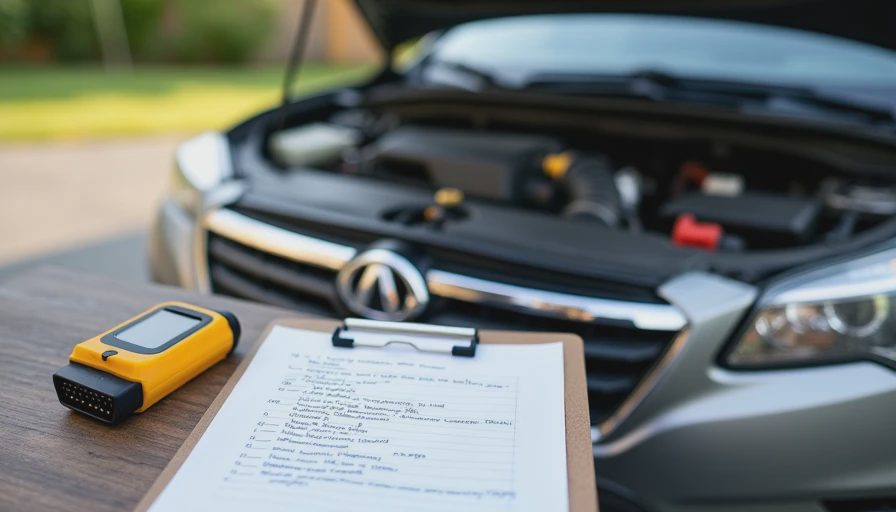
Why These Mistakes Keep Happening
Hey folks, Garrett here. If you’ve been following along since the first post, you know I started this blog because too many families—including people I care about—are making expensive vehicle decisions they later regret. Today we’re diving straight into the Buyer’s Bench with something super practical: the seven biggest mistakes I see people make when shopping for a used family car.
These aren’t rare disasters. They happen to normal parents juggling work, kids, and budgets every single week. The good news? Once you know them, you can avoid most of them. Let’s walk through each one so your next purchase feels like a smart move, not a gamble.
Mistake #1: Falling in Love During the Test Drive
This is the classic. You sit behind the wheel, the engine purrs, the new-car smell (or fresh detailer scent) hits you, and suddenly logic flies out the window. You forget to check how the back doors open with car seats already installed or whether the cargo area actually swallows your double stroller.
Real-life example: My neighbor Sarah fell hard for a clean-looking crossover during a sunny Saturday test drive. Two weeks later she realized the third-row seating was basically unusable once the kids’ booster seats were in. She ended up trading it after just eight months.
Fix: Treat the test drive as one small data point. Spend more time in the parking lot loading real family gear and practicing car-seat installs before you get emotionally attached.
Mistake #2: Obsessing Over Monthly Payments Instead of Total Cost
Dealerships love this one. They’ll stretch the loan, roll in extras, and make the monthly number look painless. But five years later you’ve paid thousands more in interest and still own a vehicle that’s depreciated hard.
I always tell friends: calculate the real cost per month including insurance, fuel, maintenance, and expected repairs. A $350 payment on a questionable SUV can easily become $550+ in hidden ownership costs.
Quick tip: Use a simple spreadsheet. Purchase price + expected maintenance + insurance difference + fuel = your true monthly reality. If it still fits the budget after that math, great. If not, walk away.
Mistake #3: Skipping a Pre-Purchase Inspection
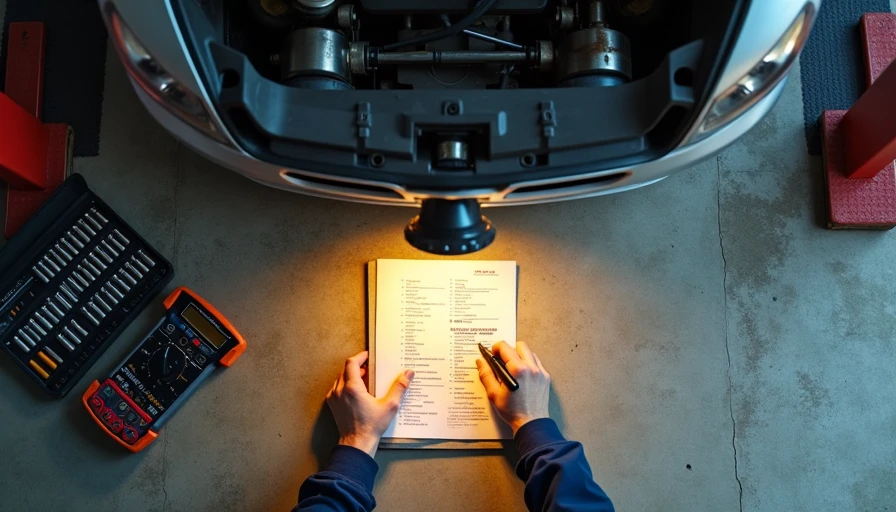
This one hurts. Someone buys a “clean” used SUV from a private seller with a nice Carfax, skips the independent mechanic check, and three months later the timing belt or transmission fails.
I’ve seen repair bills north of $2,500 on cars bought for under $15k. A good pre-purchase inspection usually costs $100–$200 and can save you thousands.
What to ask for: Compression test, leak-down test if applicable, and a full scan for any active or pending codes. Bring the mechanic with you if possible.
Mistake #4: Ignoring Service History and Maintenance Patterns
A low-mileage vehicle sounds great until you realize the previous owner only did oil changes every 12,000 miles and skipped transmission service entirely.
Look for consistent records. Gaps in maintenance are red flags. I once helped a friend review records on a popular family minivan—turns out the brake fluid had never been flushed in 90,000 miles. We walked away.
Pro move: Ask specifically about timing belt or chain service (if applicable), transmission fluid changes, and coolant flushes. These are the big-ticket items that sneak up on second owners.
Mistake #5: Buying Based on Online Photos and Seller Stories Alone
Facebook Marketplace and Craigslist listings can look perfect. Nice angles, good lighting, seller says “never smoked in, always garaged.” Reality often differs.
I recommend always seeing the car in person during daylight. Check for uneven panel gaps, paint overspray (sign of previous accident), and smell the interior yourself—odors don’t show up well in photos.
One time I went with a colleague to look at a “one-owner” SUV. The moment we opened the doors the musty smell told us everything the nice photos hid.
Mistake #6: Underestimating Family-Specific Needs
This ties back to the test drive mistake but goes deeper. People buy for their current life stage instead of the next 3–5 years.
Do you have one kid now but planning for another? Need space for sports gear, camping trips, or aging parents? Measure your actual cargo needs. Sit in the back seat with your car seats installed. Try closing the trunk with the stroller inside.
Family reality check: The back seat must be easy to access. Cargo area should handle a full week of groceries plus sports bags without folding seats. Sliding doors on minivans still win for many families with little kids.
Mistake #7: Trusting Brand Reputation Without Checking Specific Model Years
“Just get a Honda or Toyota, they’re reliable.” True in general, but certain years and trims have known issues that can turn a “reliable” brand into an expensive headache.
Do your homework on the exact model year you’re considering. Look up common problems for that specific generation. A 2018 model might be great while a 2016 has transmission complaints.
I keep a running mental list from helping friends: some popular family SUVs have terrible rear AC reliability in certain years. Knowing those patterns saves serious money.
How to Flip These Mistakes Into Smart Decisions
Avoiding these seven traps comes down to slowing down and asking better questions. Here’s a quick checklist you can save:
Did I load real family gear and test car seats?
Did I run the total 5-year ownership math?
Did I get an independent pre-purchase inspection?
Is the maintenance history complete and consistent?
Did I inspect in daylight and trust my own senses?
Does this car fit our family life for the next several years?
Have I researched the specific model year issues?
Print it, keep it on your phone—whatever works. The goal isn’t perfection. It’s avoiding the big regrets that keep families up at night worrying about repair bills.
One Last Story From My Driveway
Last year a friend was ready to pull the trigger on a beautiful used three-row SUV. Low miles, great price, friendly seller. We did the full checklist together. Turns out the vehicle had been in a minor front-end collision and the AC system was already showing early failure signs. We walked away and found a slightly higher-mileage but better-maintained option that’s still running strong for them today.
That feeling—knowing you dodged a bullet—is worth more than any shiny test-drive thrill.
Your Next Move
Shopping for a used family car doesn’t have to be stressful or expensive in the long run. Stay curious, stay skeptical, and remember: Don’t shop the test drive. Shop the next five years.
If you’re currently looking or know someone who is, drop your biggest concern in the comments. I read every one and try to answer with practical advice from real driveway experience.
Next up we’ll keep digging into ownership realities in the Ownership Ledger. Until then, drive smarter and own calmer.
No comments yet.