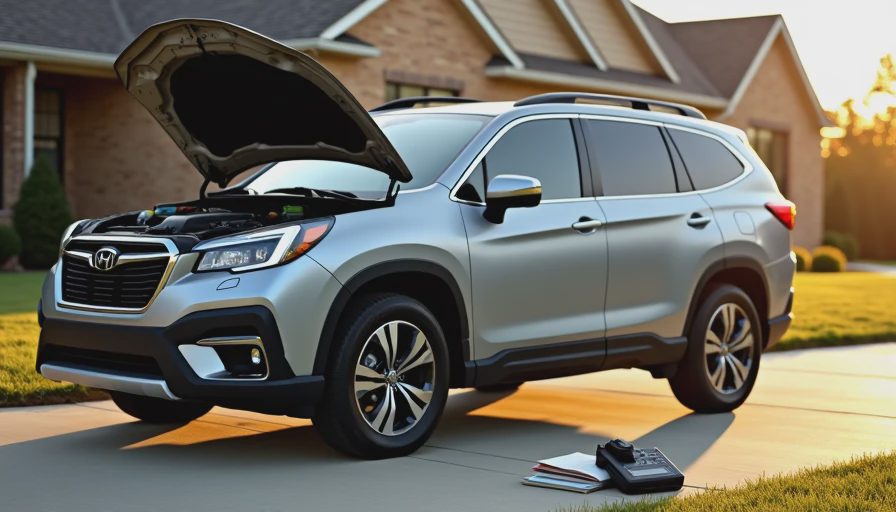
The Myth of the Bulletproof Brand
Hey folks, Garrett Nolan here from Toledo, Ohio. If you’ve been following the posts so far, you know I spend a lot of time helping friends and family avoid the kind of vehicle decisions that turn into long-term regrets. We’ve covered true ownership costs, SUV versus sedan math, and why “good enough” is dangerous. Today in the Ownership Ledger we’re tackling a tricky truth: even the most reliable brands can sell you a bad buy.
I’m not here to bash any manufacturer. I respect the data that puts Toyota and Honda near the top of long-term reliability charts. But I’ve seen too many families buy “a Honda” or “a Toyota” expecting zero problems, only to get hit with surprise repairs, poor family fit, or higher-than-expected costs. The badge alone isn’t enough. Let’s dig into why and how to do better.
My Eye-Opening Experience With a “Reliable” Brand
A couple of years ago a good friend bought a well-reviewed used SUV from a brand known for bulletproof reliability. Low miles, clean history, and the salesman’s pitch was all about how these things “run forever.” Six months in, the rear climate control system failed during a hot summer trip with kids in the back. Then the transmission started showing early wear signs right around 95,000 miles.
The repairs weren’t catastrophic, but they added up fast and killed the “set it and forget it” feeling he expected. That experience went straight into my notebook and reinforced a key lesson: Don’t shop the test drive. Shop the next five years. Brand reputation is a starting point, not a guarantee.
Why “Reliable” Brands Still Produce Problem Vehicles
Even strong brands have weak spots. Here’s what I’ve observed helping people over the years:
Specific Model Years Matter More Than the Badge
A 2018 model from a reliable maker might be fantastic while a 2015 or 2020 version has known transmission or electronics issues. Manufacturers tweak designs every few years—sometimes the changes introduce new problems.
I always tell friends: research the exact model year and trim. Online forums, owner groups, and reliability databases show patterns that the overall brand score hides.
Family-Use Wear Is Different From Average Testing
Many reliability ratings come from average drivers. Families put vehicles through unique stress: constant short trips for school runs, heavy cargo loads, car seats rubbing against interiors, and multiple passengers year-round.
A vehicle that’s “reliable” for a solo commuter might develop annoying rattles or wear items faster when it’s hauling soccer teams and weekend gear.
Hidden Ownership Costs Still Exist
Reliable brands can have expensive parts. One popular family SUV from a top brand has brake jobs that run $900+ because of the components they use. Another has air conditioning repairs that are notoriously labor-intensive.
Insurance and fuel costs can also vary more than people expect. Always run the full numbers instead of assuming the brand name equals low costs.
Red Flags That Apply Even to Trusted Brands
Here are the warning signs I look for no matter how good the reputation is:
Inconsistent maintenance records, especially on major services like transmission fluid or timing components
Known issues for that generation (rear AC failures, infotainment glitches, suspension wear)
Poor real-world family fit despite the marketing (tight third row, weak climate zones, awkward cargo)
Higher theft or repair-cost data that insurance companies track
I once helped a neighbor review a “reliable” minivan. The brand had a stellar overall score, but that specific year had multiple complaints about sliding door mechanisms failing. We passed and found a better-matched option.
How to Buy Smart From Reliable Brands
The goal isn’t to avoid good brands. It’s to buy the right example from them. My practical checklist:
Research the specific year deeply. Look up common problems for that exact model.
Demand strong service history. Especially the big-ticket items.
Test it like a family. Full cargo load, car seat installs, rear passenger comfort, highway and city driving.
Compare total 5-year costs. Not just purchase price or brand reputation.
Consider alternatives within the brand. Sometimes a less flashy trim or slightly older but better-maintained example is the smarter move.
In 2026, there are still plenty of excellent choices from the usual reliable suspects, but only if you match the vehicle to your actual life instead of the marketing story.
One Family’s Smart Recovery Story
My cousin was set on a particular “reliable” brand SUV because his brother had good luck with the same maker. We sat down, reviewed specific year data, and discovered the model he was looking at had a pattern of expensive electrical issues. We shifted to a different year and trim from the same brand plus a strong pre-purchase inspection. Two years later it’s been one of the least dramatic vehicles they’ve owned—reliable in the way they hoped.
The difference came from looking past the badge to the details.
What This Means for Your Next Purchase
A reliable brand can still be a bad buy if it doesn’t fit your family’s real needs, has hidden issues for that model year, or carries higher ownership costs than you budgeted. The calm, practical choice comes from data and real-life testing, not brand loyalty.
Remember: A good deal on paper can still be a bad car in your driveway. The question is whether you want to live with it for the next several years.
Building Better Buying Habits
Next time you see that trusted badge, pause and run it through the full filter. Combine brand strength with specific research, thorough testing, and honest ownership math. That combination is what actually delivers long-term affordability and peace of mind.
In future Ownership Ledger posts we’ll keep breaking down real costs, maintenance patterns, and warranty decisions so you can make confident choices.
What’s Your Experience?
Have you ever bought a vehicle from a “reliable” brand that turned out to be more trouble than expected? Or found one that lived up to the hype because you did the homework? Drop your story in the comments—I read them all and often share useful patterns in future articles.
Drive smarter, own calmer, and let’s make sure the reliable reputation actually translates to your driveway.
No comments yet.