The Purchase That Felt So Right
Hey friends, Garrett Nolan here from Toledo, Ohio. We’re ten posts into this journey together, and today in Driveway Logic I’m getting personal. This isn’t another checklist or comparison. It’s the story of a car I genuinely believed was a smart buy—until everyday family life showed me what I had missed.
I share this not to dwell on mistakes, but because I’ve seen the same pattern repeat with too many friends and neighbors. We make logical-sounding decisions, pat ourselves on the back, and then reality quietly starts collecting its toll. Don’t shop the test drive. Shop the next five years. I thought I was doing exactly that. Turns out I still had blind spots.
The Car That Checked All the Right Boxes
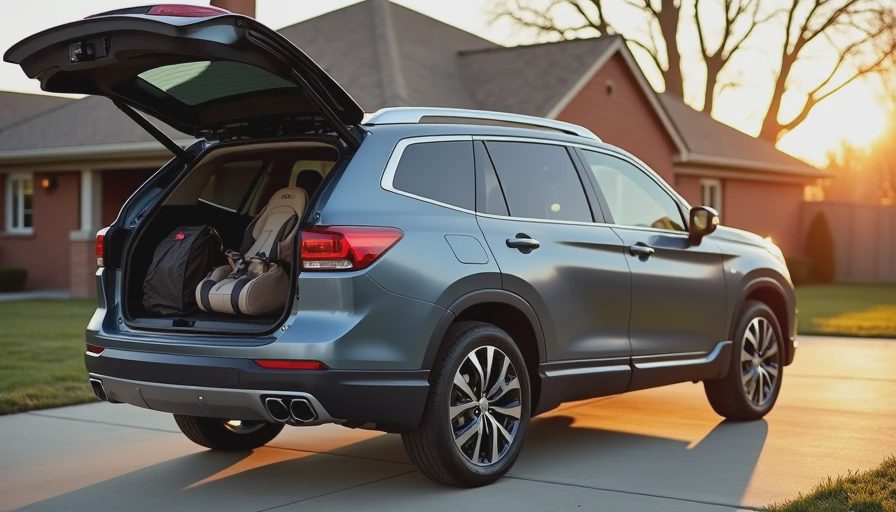
A few years back, with two young kids and growing gear needs, we started shopping. After weeks of research I found what seemed ideal: a 4-year-old midsize SUV from a respected brand. Reasonable miles, clean Carfax, good service records, and a price that felt fair for the features.
It had the higher seating position I wanted for visibility, decent third-row space for future guests, solid safety ratings, and what looked like practical cargo room. The test drive was smooth. The seller seemed straightforward. My wife and I both felt good about it. We brought it home thinking we had made a responsible, forward-thinking family decision.
For the first couple of months, it was great. The new-to-us smell lingered, weekend trips felt easy, and I enjoyed the confident drive.
When Reality Started Whispering
Then the whispers began. Small at first.
Winter hit Ohio hard that year. The rear climate control struggled to keep the back seats warm with kids bundled in coats. Mornings became a battle of cold complaints while I tried to get everyone to school on time. The cargo area, which looked generous when empty, became a frustrating puzzle once the double stroller, soccer bags, and weekly groceries were loaded. We ended up folding seats more often than expected, losing passenger space.
Maintenance started showing patterns too. The transmission fluid needed attention earlier than records suggested, and a couple of electronic gremlins popped up that the dealer said were “normal for the model.” Each visit chipped away at that initial “smart buy” feeling.
What I Completely Missed (And Should Have Checked Harder)

Looking back with clearer eyes, here are the key things I overlooked:
Daily Family Wear Patterns
I tested cargo with some bags, but not a full typical Tuesday load. I didn’t simulate multiple weeks of real use. The vehicle handled occasional trips fine but showed its limits under daily family chaos.
Specific Model Year Quirks
I researched the brand but didn’t dig deep enough into that exact generation’s common complaints—especially rear climate reliability and some suspension components under heavier loads. Forums had the warnings, but I dismissed them as “not everyone experiences that.”
Total Cost Beyond the Sticker
I ran basic numbers but underestimated real-world fuel use with our mix of city and highway, plus the higher insurance bracket this model fell into. Small monthly differences added up faster than expected.
Long-Term Fit for Growing Kids
I pictured our current stage but didn’t fully envision the booster seat phase, sports equipment explosion, or how annoying it would be to access the third row regularly. What felt roomy initially became cramped as life got busier.
A good deal on paper can still be a bad car in your driveway. I learned that line the honest way.
The Lessons That Went Into the Notebook
That experience became one of the foundation stories for this blog. It taught me to:
Test with maximum real-life loads, not minimum
Research specific model years like a detective, not a casual browser
Calculate ownership costs with pessimistic but realistic assumptions
Trust the slow, practical voice in my head more than the excited Saturday voice
We eventually traded it at a reasonable but not great point and moved to something better matched. The difference in daily calm has been noticeable.
Why This Story Matters for You
I’m not unique. Most families have a version of this tale. The car that looked smart on purchase day but revealed its compromises over time. The point isn’t to avoid all risk—every vehicle has tradeoffs. The point is to see the tradeoffs clearly before you commit.
In my logistics work I’ve seen the same thing with fleet vehicles: the ones chosen for immediate specs often cost more in the long run than the ones chosen for real operational fit. Families work the same way.
Turning My Miss Into Your Win
If you’re shopping right now, use my story as a mirror:
Spend extra time with full family gear loaded
Dig into owner forums for your exact year and trim
Run the numbers for year three and year five, not just month one
Sit with the decision for a few days after the excitement fades
A vehicle that still feels right when the newness wears off is worth the wait.
The question is not whether you can buy it. The question is whether you want to live with it.
What I’d Do Differently Today
Today I’d slow down even more. I’d bring a trusted mechanic earlier. I’d simulate more messy real-life scenarios. And I’d be more willing to walk away from anything that didn’t feel like a confident long-term fit.
The goal was never perfection. It was a practical vehicle that supports family life without becoming a constant source of low-level stress. We’re closer to that now, and I’m grateful for the lessons from that earlier choice.
Your Stories Are Welcome Here
Have you had a car you thought was smart that later showed its weaknesses? Or one you almost passed on but turned out great? Share in the comments. These real driveway stories are what make this blog useful—yours might help another family avoid the same mistake.
We’ll keep mixing honest reflections like this with practical tools in Buyer’s Bench, numbers in Ownership Ledger, and family realities in Family Route.
Drive smarter, own calmer, and let’s learn from the cars we used to own so we make better choices for the ones ahead.
No comments yet.