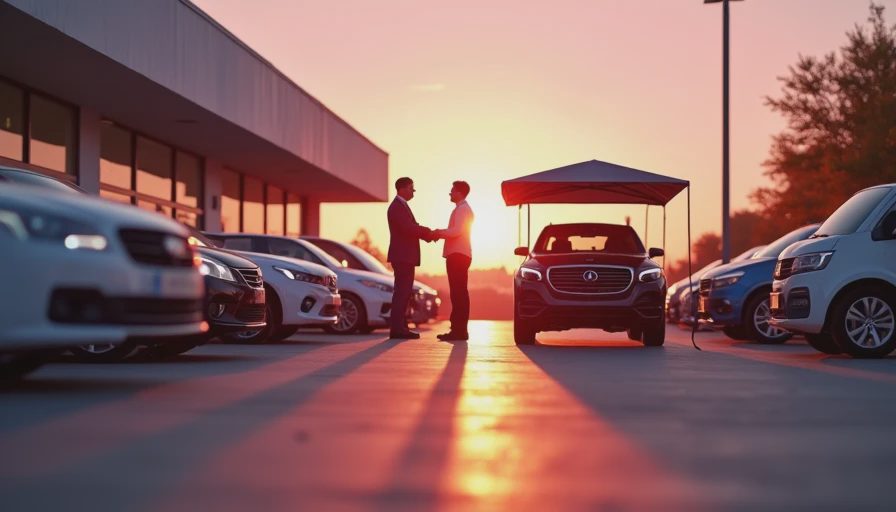
When you're shopping for a pre-owned vehicle, it's easy to get caught up in how shiny it looks or how nice the test drive feels. But the smartest buyers know that the real value lies in the answers to the right questions to ask when buying a used car. These questions cut through the surface and tell you whether a car will be a reliable daily driver or a constant headache. Here are the eight questions I recommend every buyer ask before signing anything.
Questions About the Car's Sales History and Title
The first set of questions is about the car's past. A clean title and straightforward ownership history can save you from buying a car that's been totaled or has hidden legal issues.
**1. Is the title clean?**
Ask directly: "Is the title clean or rebuilt/salvage?" A clean title means no major structural damage history. Salvage titles can be okay if you know what you're doing, but for most families, they add risk and reduce resale value. Check for phrases like "flood" or "lemon law buyback."
**2. How many previous owners?**
Ideally, one or two owners who kept the car well-maintained. Many owners could mean the car had problems. A rental or fleet history often means harder miles and less maintenance.
**3. Has it ever been in an accident?**
Don't rely solely on what the seller says. Run a vehicle history report from Carfax or AutoCheck. Even a minor accident can affect alignment and future repairs. Ask for the VIN and check.
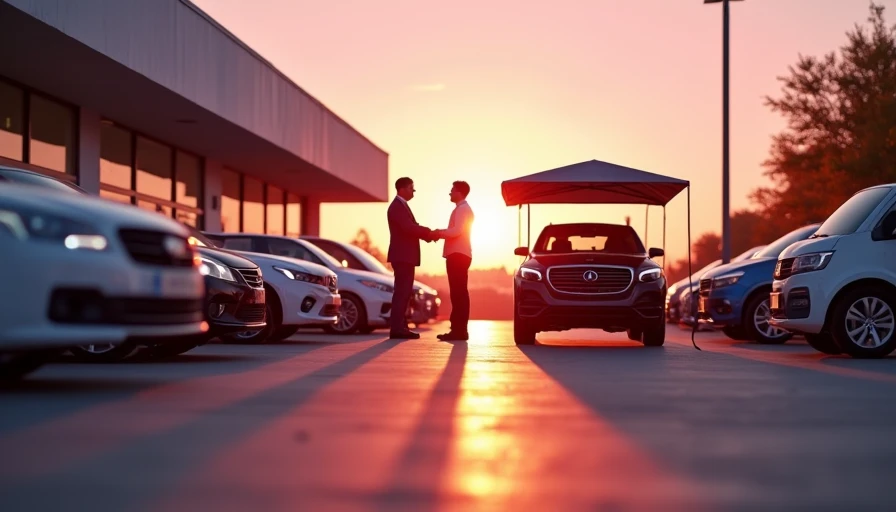
Mechanical and Maintenance Questions
These questions to ask when buying a used car get under the hood. They help you gauge how well the car was cared for and what repairs might be coming.
**4. Can I see the service records?**
A stack of receipts or a logged maintenance record tells you the owner changed oil, rotated tires, and replaced filters on schedule. No records? Approach with caution—it's not a dealbreaker, but you'll need a mechanic to verify condition.
**5. When were the major components last serviced?**
Ask specifically about the timing belt (if applicable), brakes, tires, battery, and transmission fluid. A car needing new tires or a timing belt soon means you'll need to budget $500–$1,500 right after purchase.
**6. Are there any current warning lights or mechanical noises?**
Press the seller to turn the car on from cold. Listen for rattles, squeaks, or idle issues. Ask if the check engine light is on and if they know the stored codes. If they say "it's just a sensor," get a code reader yourself or ask a mechanic.
Cost and Ownership Questions
These questions help you decide whether the deal makes sense and whether you'll be happy owning the car for years.
**7. What's the market value compared to the asking price?**
Check Kelley Blue Book, Edmunds, and local listings for similar cars. If the price is way above market, you need a strong reason to pay it. Ask: "Why are you asking this price?" Listen for justification—low miles, recent maintenance, or rarity.
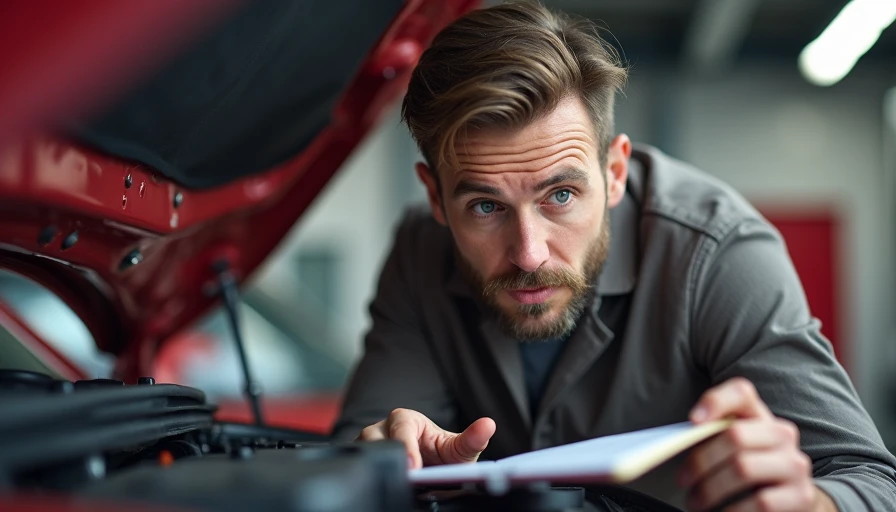
**8. Can I take it to a mechanic for a pre-purchase inspection?**
This is non-negotiable. A $100–$150 inspection from a trusted shop can find problems you'd never catch on a test drive—oil leaks, worn suspension, hidden rust, or pending repairs. If the seller refuses, walk away. There are plenty of other used cars.
Closing Thoughts
Don't shop the test drive. Shop the next five years. The right questions to ask when buying a used car separate a smart purchase from a regret. Take your time, do your homework, and you'll drive away confident that you got a vehicle worth owning.
Remember, a good deal on paper can still be a bad car in your driveway. Use these questions to protect your wallet and your family's safety.
Questions to Ask During the Test Drive
Beyond paperwork, the test drive is your best chance to spot issues. Ask these questions to ask when buying a used car while driving:
- **Can I drive the car on the highway?** City streets hide vibrations and transmission shift points. Take the car up to 65 mph and listen for wind noise, wheel bearing hum, or hesitation.
- **Does the steering pull or vibrate?** A slight pull may indicate alignment issues ($80–$120 to fix), but heavy pull or vibration could mean worn suspension, tire imbalance, or even accident damage.
- **How does the A/C and heat perform?** Run both at max. Weak airflow or odd smells suggests evaporator or heater core problems—repairs can cost $1,000 or more.
- **Test all electronics:** Windows, door locks, mirrors, radio, cruise control. A failing window regulator is $200–$400; a dead infotainment screen can be $500–$1,500.
These specific questions to ask when buying a used car during the test drive let you diagnose problems before you commit. Combine these questions to ask when buying a used car with a mechanic inspection, and you'll know if the car is worth the price or better left on the lot.
Make sure to ask: "Is there anything about the car you didn't mention?" Sellers sometimes gloss over minor quirks. An honest answer can save you future frustration.
**Quick test-drive checklist:**
- Check tire tread depth and sidewall condition.
- Test brakes for pulsing or squealing.
- Park on an incline and check for leaks.
- Turn off the radio and listen for rattles.
- Verify the spare tire and jack are present.
No comments yet.