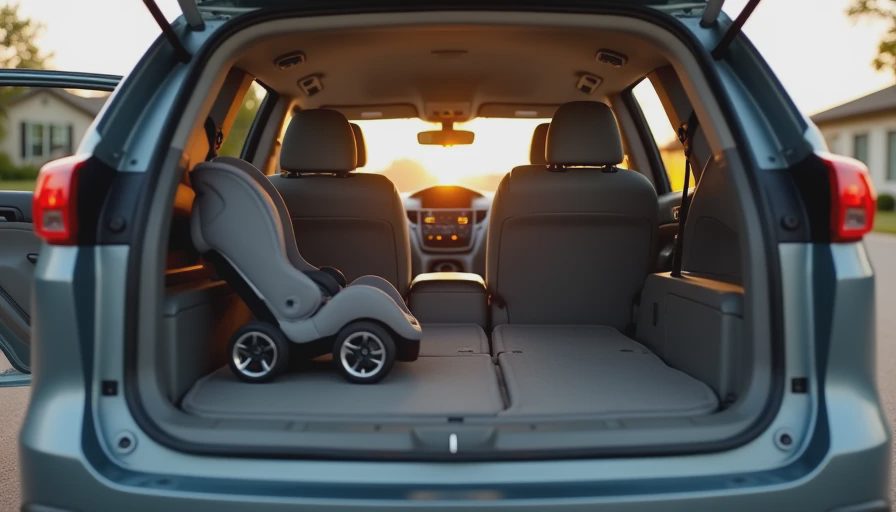
The Test Drive Myth Most Families Believe
Hey everyone, Garrett Nolan here from Toledo, Ohio. We’re deep into this launch series now, and today in Driveway Logic I’m sharing a shift in how I think about car shopping that’s saved me and many friends from bad decisions. We’ve covered walking away from “clean” listings, school-run realities, and sneaky maintenance costs. Now let’s talk about something almost every buyer overvalues: the test drive.
Dealerships and sellers know this. They take you on a smooth, short loop where everything feels great. The engine hums, the seats are comfortable, and for 10–15 minutes you imagine an easier life. I used to chase that feeling too. Not anymore. Here’s why I don’t care much about the test drive anymore—and what I focus on instead.
My Personal Test Drive Wake-Up Calls
Early on I bought a couple of vehicles that felt fantastic during the test drive. Smooth acceleration, quiet cabin, good visibility. We brought them home excited. Then real life hit: loaded cargo on Tuesdays, cold mornings with kids in car seats, highway merges with a full family, and the slow accumulation of maintenance surprises.
One vehicle in particular drove like a dream on the dealership route but became frustrating once we started living with it daily. That pattern repeated enough times that I started questioning the whole ritual. The test drive shows you the vehicle on its best behavior in ideal conditions. It rarely shows you the next five years.
Don’t shop the test drive. Shop the next five years.
Why the Test Drive Misleads Families
Here’s what it usually fails to reveal:
How the back seats and climate control work with car seats installed and kids inside
Real cargo performance with strollers, sports gear, and groceries
How it handles after 20,000 more miles when components start wearing
Daily annoyances like door access in tight parking lots or loading in the rain
Long-term reliability patterns that only show up after the honeymoon period
A 15-minute spin can’t tell you whether the rear AC will keep up in July or if the transmission will start acting up at 90k miles. It’s like judging a marriage after one nice dinner.
What I Focus On Instead
These days I treat the test drive as a quick confirmation step, not the main event. My real evaluation happens around it:
Real-Life Simulation
I spend more time in the parking lot loading actual family gear, installing car seats, and practicing daily routines than I do driving. That tells me far more about whether the vehicle will make life easier.
Service History and Specific Year Data
I dig deep into maintenance records and known issues for that exact model year. This predicts the next 3–5 years better than any short drive.
Ownership Cost Math
I run the full five-year numbers—fuel, insurance, expected maintenance, depreciation—before getting emotional about how it drives.
Multiple Visits and Extended Time
If possible, I arrange a longer drive or second look. Sit in it with the family. Picture it in your actual driveway after the newness fades.
Mechanic’s Eye, Not Just My Own
A thorough pre-purchase inspection from a trusted independent shop beats any subjective driving impression.
The Test Drive Still Has a Role (But a Small One)
I don’t ignore it completely. It’s useful for basic safety checks—brakes, steering, obvious noises, major warning lights. But I no longer let a “fun” drive override practical realities. A vehicle that drives average but excels in family duty is almost always the better long-term choice than one that feels exciting for 12 minutes.
Stories From the Driveway
A friend once fell in love with a used crossover during an enthusiastic test drive. It felt powerful and refined. We later did the full reality checks and discovered weak rear climate, poor cargo organization for their needs, and upcoming suspension work. He walked away and found a less exciting but far more practical option that’s made his family life noticeably calmer.
Another neighbor ignored the test drive hype, focused on service history and real-load testing, and ended up with a “boring” vehicle that’s been the most reliable and least stressful one they’ve owned.
Shifting Your Mindset for Better Decisions
Next time you’re shopping, try this mental shift:
Spend 70% of your evaluation time on static checks, history, and simulations
Spend 30% on the actual drive
Ask yourself repeatedly: “Will I still like living with this in two years when the kids are bigger and the new smell is gone?”
A good car should make your week easier, not just your Saturday better.
This approach has reduced my own regret rate dramatically and helped many people I’ve advised.
What This Means for Your Next Purchase
Stop chasing the thrill of the perfect test drive. Start chasing the vehicle that disappears into your life in the best way—supporting your routines without constant complaints or surprise bills.
The calmest ownership experiences I’ve seen come from buyers who prioritized real-life fit over initial excitement.
Your Experiences Matter
Have you ever bought a car because the test drive felt amazing and later regretted it? Or found a great one that drove “just okay” but excelled in daily family life? Share in the comments. These real stories are gold for other readers and often inspire future posts.
We’ll keep mixing honest Driveway Logic reflections with practical Buyer’s Bench tools and Family Route realities.
Drive smarter, own calmer, and let’s make decisions based on the next five years, not the next fifteen minutes.
No comments yet.