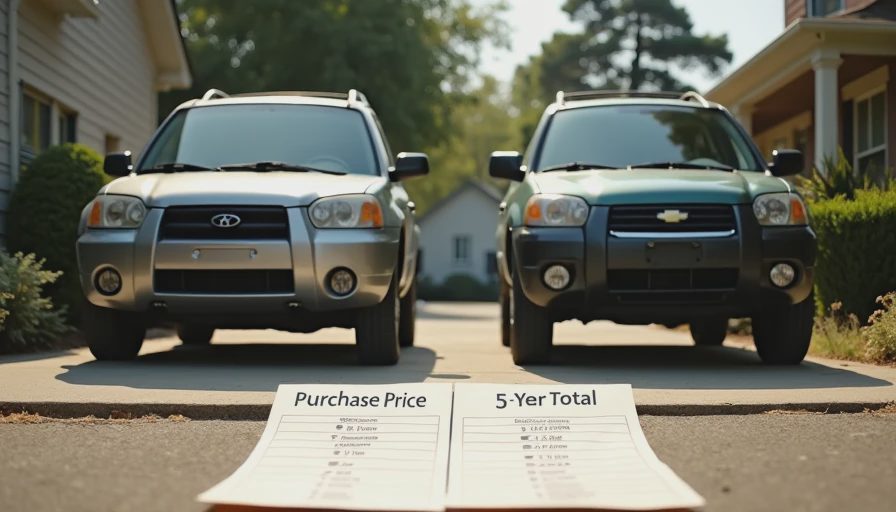
The Trap of Focusing Only on Purchase Price
Hey everyone, Garrett Nolan here from Toledo, Ohio. We’re steadily working through these early posts, giving you real tools and honest perspectives for smarter family vehicle decisions. Today in the Ownership Ledger we’re tackling one of the most common and costly mistakes I see: chasing a cheap purchase price without considering what it costs to actually keep the vehicle running.
Too many families celebrate a “great deal” on a used SUV or sedan, only to feel the pain later through higher fuel bills, surprise repairs, rising insurance, and poor resale. I’ve watched it happen repeatedly with friends and neighbors. The calm, practical choice isn’t the lowest upfront number—it’s the one that stays affordable year after year. Let’s break down the real difference.
My Own “Cheap to Buy” Lesson
A few years ago I was tempted by a low-mileage used crossover that was priced well below similar models. It looked clean, had a decent Carfax, and the monthly payment fit our budget nicely. We bought it thinking we were being responsible.
Within 18 months the reality set in: higher-than-expected fuel consumption on our daily drives, an expensive AC repair during summer, and insurance premiums that crept up because of the model’s repair-cost data. What felt like a smart cheap buy became noticeably more expensive to keep than a slightly higher-priced but better-matched alternative would have been.
That experience reinforced a core principle I now share often: Don’t shop the test drive. Shop the next five years. And part of that is understanding cheap to buy versus cheap to keep.
What “Cheap to Buy” Usually Looks Like
Lower purchase price (often higher mileage or older model year)
Tempting monthly payments
Sometimes flashy features to distract from underlying issues
Often deferred maintenance from previous owners
These cars can seem like victories at the dealership. But the hidden costs start showing up quickly.
What “Cheap to Keep” Actually Means in 2026
A vehicle that’s cheap to keep delivers low total ownership costs over time. Here’s what that typically includes:
Predictable Maintenance
Well-designed, simpler mechanicals with good parts availability. Consistent service history means fewer surprises. I look for models known for reasonable repair costs and strong reliability in specific years.
Reasonable Fuel Economy for Your Driving
Even a few mpg difference adds up fast with school runs, errands, and weekend trips. A vehicle that sips fuel in real-world mixed driving saves hundreds per year.
Manageable Insurance Rates
Some models carry higher premiums due to expensive parts or theft rates. Always get quotes with the exact VIN before buying.
Stronger Resale or Trade Value
Vehicles that hold value better reduce your net cost of ownership. A car you can sell or trade for more later effectively lowers what you paid to use it.
Fewer Downtime Headaches
Reliable starting, consistent performance, and climate control that works mean less stress and fewer rental cars or missed work.
Running the Real Numbers

Here’s a simple framework I use with friends:
Vehicle A (Cheap to Buy): $14,000 purchase, higher fuel/insurance/maintenance → ~$9,500 in 5-year operating costs = $23,500 total
Vehicle B (Cheap to Keep): $18,000 purchase, lower ongoing costs → ~$6,500 in 5-year operating costs = $24,500 total
Sometimes the “cheaper” one actually costs more overall. Factor in your actual mileage, family size, and local conditions for accurate math.
I keep a basic spreadsheet for these comparisons. It takes 15 minutes and prevents emotional decisions.
Real Family Examples From the Driveway
One neighbor grabbed a bargain high-mileage SUV because the price was right. Within two years they spent nearly $3,000 on transmission and suspension work. Another friend paid a bit more for a well-maintained model from a strong year and has enjoyed mostly routine oil changes and tires. Same family size, very different experiences.
The difference wasn’t luck. It was looking past the sticker price to the full picture.
How to Find Vehicles That Are Cheap to Keep
Research specific model years — Avoid the known trouble spots even within good brands.
Prioritize complete service history over low price.
Calculate 5-year total cost including realistic maintenance estimates.
Test with your real family load and daily routines.
Get multiple insurance quotes early in the process.
Consider slightly newer or better-maintained examples if the math works.
Sometimes the best deal isn’t the lowest price—it’s the one that won’t keep demanding more money after you bring it home.
A good deal on paper can still be a bad car in your driveway. The question is whether you want to live with it—and pay for it—over the next several years.
Shifting Your Shopping Mindset
Next time you see a tempting low price, pause and run the “keep” analysis. Ask yourself: Is this vehicle going to stay affordable and practical as my family grows and life gets busier?
The vehicles I’ve seen bring the most peace are the ones that are boringly reliable and efficient in daily use, not the ones that were the cheapest on purchase day.
Your Next Smart Move
Take a current or potential vehicle you’re considering and map out the true 5-year picture. You might be surprised which option actually saves more money and stress.
In future Ownership Ledger posts we’ll dig into extended warranties, specific model comparisons, and more ways to keep ownership costs predictable.
Have you ever bought a car that was cheap to buy but expensive to keep? Or found one that proved worth the extra upfront cost? Share your story in the comments—I read them all and often pull useful patterns for future articles.
Drive smarter, own calmer, and let’s choose vehicles that stay kind to our family budgets long after the paperwork is signed.
No comments yet.