The Second-Owner Surprise Package
Hey everyone, Garrett Nolan here from Toledo. We’re making good progress through the launch series, mixing practical tools with real-talk reflections. Today in the Ownership Ledger we’re shining a light on something that quietly separates good used-car decisions from expensive lessons: maintenance costs that sneak up on second owners.
First owners often get the easy years covered by warranty. By the time the vehicle reaches you—the second or third owner—many of the bigger, more expensive services start coming due. These aren’t always dramatic breakdowns, but they add up fast and catch families off guard. Let’s walk through the common ones so you can plan instead of panic.
My Own Second-Owner Wake-Up Call
A few years back we bought a well-reviewed used SUV with what looked like solid history. It drove nicely, had decent miles, and the price felt right. For the first year everything was smooth. Then, right around 85,000 miles, the transmission started shifting a bit rough. Shortly after, the rear AC decided it had enough of Ohio summers.
The repairs weren’t catastrophic individually, but together they reminded me that “low mileage for the price” often means the big services are right around the corner. That experience sharpened my notebook and became a core part of the advice I now give friends.
Don’t shop the test drive. Shop the next five years—and especially the maintenance schedule for years three through seven of ownership.
The Most Common Sneaky Costs for Second Owners
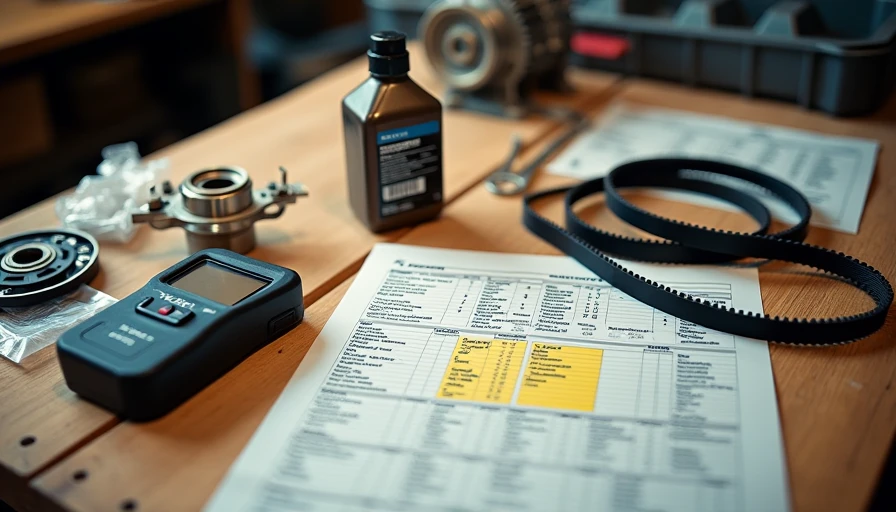
Here are the big ones I watch for on family vehicles around 6–10 years old:
Timing Belt or Chain Service
Many engines need this around 60k–100k miles. If the previous owner skipped or skimped, you’re looking at $800–$1,800 depending on the vehicle. Interference engines make this especially critical—failure can destroy the motor.
Always ask for proof this was done. No records? Assume it needs attention soon.
Transmission Service and Potential Repairs
Automatic transmissions in family SUVs and crossovers often need fluid changes every 30k–60k miles. Many second owners inherit ones that have never seen fresh fluid. A proper service runs $300–$500. Ignoring it can lead to $2,000–$4,000+ repairs later.
Air Conditioning System Repairs
Rear AC in three-row vehicles is a frequent failure point. Compressors, lines, and controls get worked hard with kids in the back. Expect $800–$1,500 when it fails during a heatwave.
Suspension and Steering Components
Bushings, struts, control arms, and ball joints wear faster under family loads—strollers, sports gear, multiple passengers. These jobs often run $400–$1,200 per axle.
Brake Jobs and Rotors
Larger family SUVs eat brakes faster. A full set of pads and rotors can easily top $800–$1,200.
Electronics and Sensors
Infotainment glitches, oxygen sensors, battery drains, and emissions components start acting up. These are rarely catastrophic but add up in diagnostic time and parts.
How to Protect Yourself as a Second Owner
You can’t avoid all costs, but you can see them coming:
Get the full service history. Look for evidence of major services, not just oil changes.
Factor in upcoming services immediately. Add estimated costs to your five-year ownership math right away.
Budget a “second owner reserve.” I recommend setting aside $1,000–$2,000 per year for maintenance on an 8–10 year old family vehicle.
Do the pre-purchase inspection thoroughly. Ask the mechanic specifically about known high-mileage items for that model.
Research the exact year. Some generations have much better records on these services than others.
A vehicle that’s been properly maintained by the first owner can still be a great buy. One that hasn’t becomes a rolling repair bill.
Real Stories From Friends and Neighbors
My coworker bought a popular used three-row SUV from its original owner. Nice records, but the timing belt was due. He budgeted for it upfront and the vehicle has been mostly drama-free since. Another friend bought one without checking—ended up with a $1,400 AC repair the first summer. Same model, very different experiences.
The pattern is clear: the surprise isn’t the cost itself. It’s when you didn’t see it coming.
Turning Sneaky Costs Into Predictable Ones
Ownership feels calmer when you expect these expenses instead of reacting to them. Create a simple maintenance calendar based on the vehicle’s schedule and your actual mileage. Review it every six months. Small proactive steps (fluid changes, inspections) often prevent the big painful ones.
A good car should make your week easier, not just your Saturday better. That includes not dreading the next repair bill.
Building Your Second-Owner Strategy
Before buying any used family vehicle:
Run the numbers with realistic maintenance estimates for its age
Prioritize vehicles with clear, consistent service records
Test it hard with your real family load
Accept that second ownership means taking responsibility for the services the first owner may have deferred
This approach has saved me and many friends thousands over the years.
What This Means for Your Driveway
Maintenance surprises don’t have to ruin the joy of a good used-car deal. With eyes open and a practical plan, you can find vehicles that stay affordable to own even as second (or third) owners.
In future Ownership Ledger posts we’ll dig into extended warranties, specific model recommendations, and more ways to keep costs predictable.
Have you been hit with a sneaky maintenance bill on a used vehicle? Or found a well-maintained gem that stayed cheap to run? Share the make, model, year, and what you learned in the comments. These real stories help everyone.
Drive smarter, own calmer, and let’s keep those surprise repair bills to a minimum.
No comments yet.